
FEATURED INSIGHTS
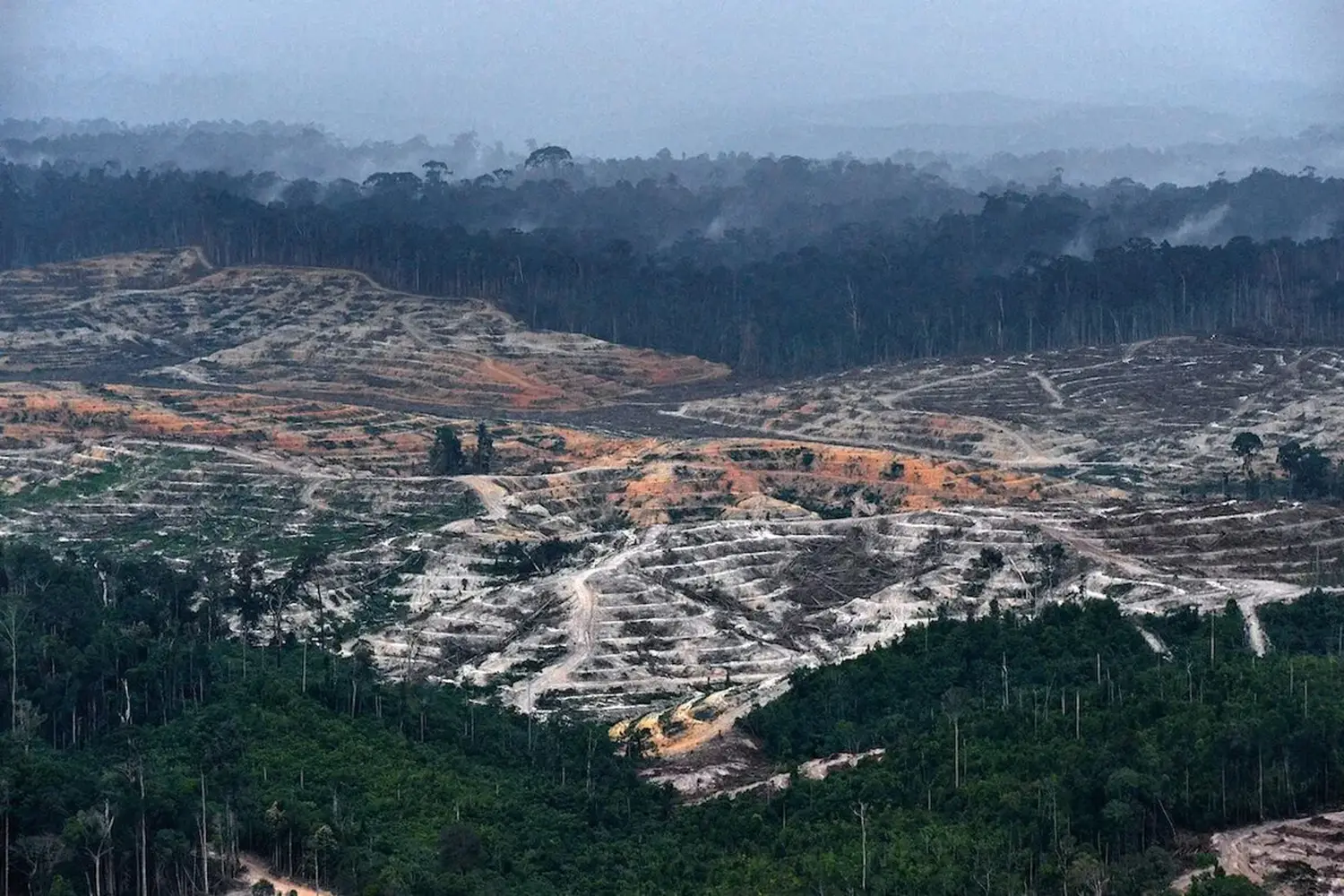
200,000 Hectares of Oil Palm Plantations to Be Converted Into Forests, Indonesia’s Government Says
In Indonesia, which is the top producer and exporter of palm oil globally, about 200,000 hectares (494,210 acres) of oil palm plantations are to be replaced with forests, the government announced Tuesday.
The move will convert oil palm plantations on lands that are designated as forests, Reuters reported.
In 2020, the government set rules on oil palm plantations grown on designated forest lands, requiring landowners to apply and pay fines to grow oil palm trees on these lands by Nov. 2, 2023. This move has been controversial, as conservation groups say this allows companies to continue growing on forest lands.
Oil palm plantations make up about 17 million hectares in Indonesia, with 3.3 million hectares of these plantations grown on forest lands. However, this figure only includes landowners with a total of 1.67 million hectares, according to Bambang Hendroyono, forestry ministry secretary general.
Landowners with oil palm trees in designated production forests will be allowed to continue growing the crops after paying fines, while plantations found in protected forests will have to be turned over to the government for reforestation. Companies that grow oil palms illegally after the Nov. 2 deadline will be subject to legal action, Reuters reported.
An estimated 200,000 hectares will be turned over, but that number could rise depending on the government’s analysis.
A 2021 report by Greenpeace and TheTreeMap found that as much as 20% of oil palms in Indonesia were grown illegally in protected forests and other conservation areas.
To establish an oil palm plantation, landowners clear natural forests and drain peatlands, which makes the land highly flammable and vulnerable to fires, Greenpeace reported. To clear forests, landowners may burn the area, destroying habitats and releasing smoke and greenhouse gases that lower air quality. According to Yale’s Center for Business and the Environment, deforestation makes up 20% of global greenhouse gas emissions. Further, Indonesia has become a top greenhouse gas emitter due to deforestation.
Last year, the Bogor Institute of Agriculture in Indonesia pushed for a proposal to consider growing oil palm trees as a form of reforestation rather than deforestation.
Although legal and illegal deforestation continue in Indonesia, the country has seen some decline in the amount of deforestation in recent years. VOA reported that primary forest loss was 230,000 hectares in 2022, down from 930,000 hectares in 2016. Still, this number is high.
Arie Rompas, forest campaign leader for Greenpeace Indonesia, told VOA, “The area lost is about three times the size of the capital, Jakarta.”
Source : www.ecowatch.com
Related Posts

Many Strategies Fail Because They’re Not Actually Strategies
Many strategy execution processes fail because the firm does not have something worth executing.
The...Read more

Advanced AI Techniques for Financial Fraud Detection
Financial fraud is a serious risk area for companies of all sizes, and technology usually identifies and prevents it....Read more

Careers In Corporate Finance, From Hedge Funds to M and A
Corporate finance is a key pillar on which modern markets and economies have been built. And this complex ecosystem c...Read more
How can we help you?
Get in touchwith us.